Growing
Lemongrass (Cymbopogon citratus): Tropical Flavor, Mosquito Repellent, and the Easiest Ornamental Grass You’ll Ever Grow
Complete lemongrass cultivation guide covering Cymbopogon citratus tropical grass botany, container growing in temperate zones, citral chemistry.
On this page
Botanical Description
Lemongrass (Cymbopogon citratus) is a vigorous, clumping tropical grass native to South and Southeast Asia, growing 3–6 feet tall in dense, fountain-like tussocks of narrow, arching, blue-green blades with razor-sharp margins. The swollen, pale green to white stalk bases are the culinary portion, while the entire plant is intensely aromatic, releasing a bright citrus scent when leaves are crushed or brushed against.
Two species are commonly cultivated: C. citratus (West Indian lemongrass, the primary culinary and tea species) and C. flexuosus (East Indian lemongrass, preferred for essential oil production). This guide focuses on C. citratus, the species available in grocery stores and most commonly grown in home gardens.
Start from the Grocery Store
The easiest way to start growing lemongrass is to buy fresh stalks from an Asian grocery store. Select stalks with intact bases (the thick, bulbous bottom portion). Place them in a jar of water on a sunny windowsill. Roots will emerge within 1–2 weeks. Once roots are 2–3 inches long, transplant to soil. This method is faster, cheaper, and more reliable than growing from seed.
Growing Requirements
| Parameter | Range / Tolerance |
|---|---|
| USDA Hardiness Zones | 9b–12 (perennial); 4–9a (annual or container) |
| Light | Full sun (6+ hours required) |
| Soil | Rich, well-drained; pH 5.0–8.4 (very adaptable) |
| Moisture | Moderate to high; regular watering during active growth |
| Temperature | Thrives above 24 °C (75 °F); growth stops below 10 °C (50 °F) |
| Frost Tolerance | None; frost kills foliage; roots may survive brief freezes to -4 °C (25 °F) with heavy mulch |
In Central Texas, lemongrass grows explosively during the hot months (May, October), producing massive ornamental clumps. Plants in the ground with 6 inches of mulch over the crown can survive most Hill Country winters. Container plants should be moved to a garage or enclosed porch during freeze events.
Cultivation
| Factor | Details |
|---|---|
| Propagation | Division (easiest), stalk rooting in water, or seed (slow and unreliable) |
| Spacing | 24–36 inches; clumps expand dramatically |
| Fertilization | Heavy feeder; monthly nitrogen-rich fertilizer during growing season |
| Watering | Regular deep watering; does not tolerate extended drought |
| Maintenance | Cut back to 6 inches in late winter before spring growth begins |
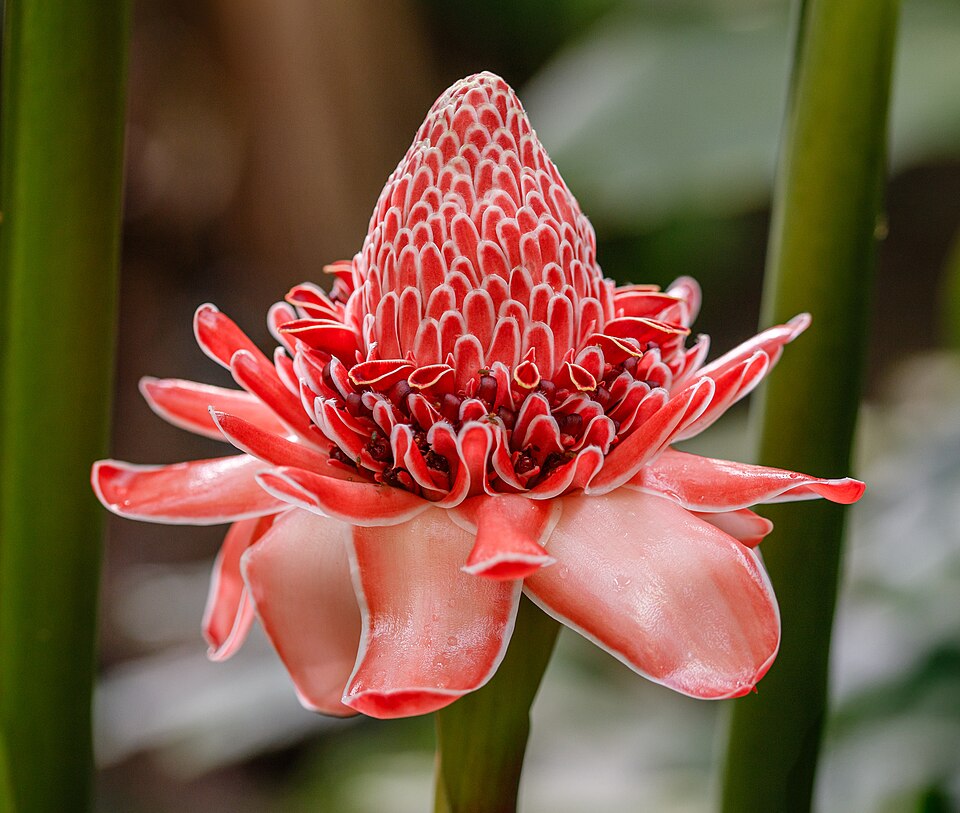
Complete guide to ginger cultivation covering Zingiber officinale growing parameters, rhizome propagation.
For a More In-Depth Read, Click HereHarvesting and Culinary Use
Stalk Harvest
Harvest outer stalks from the base when they reach pencil-thickness or larger. Twist and pull from the base, or cut at soil level. Peel away tough outer layers to reveal the tender, pale inner core. A mature clump can yield 20–30+ stalks per season without depleting the plant.
Culinary Applications
- Thai cuisine: Essential ingredient in tom yum soup, green and red curries, and stir-fries. The lower 4–6 inches of the stalk are sliced or bruised and added during cooking.
- Vietnamese cuisine: Used in pho broth, grilled meats, and fresh spring rolls.
- Tea: Fresh or dried leaves and sliced stalks make a bright, citrusy herbal tea. Popular throughout Southeast Asia as a refreshing hot or iced beverage.
- Marinades: Minced lemongrass in coconut milk with garlic, ginger, and fish sauce creates a classic Southeast Asian marinade.
Citronella Grass Cultivation Guide
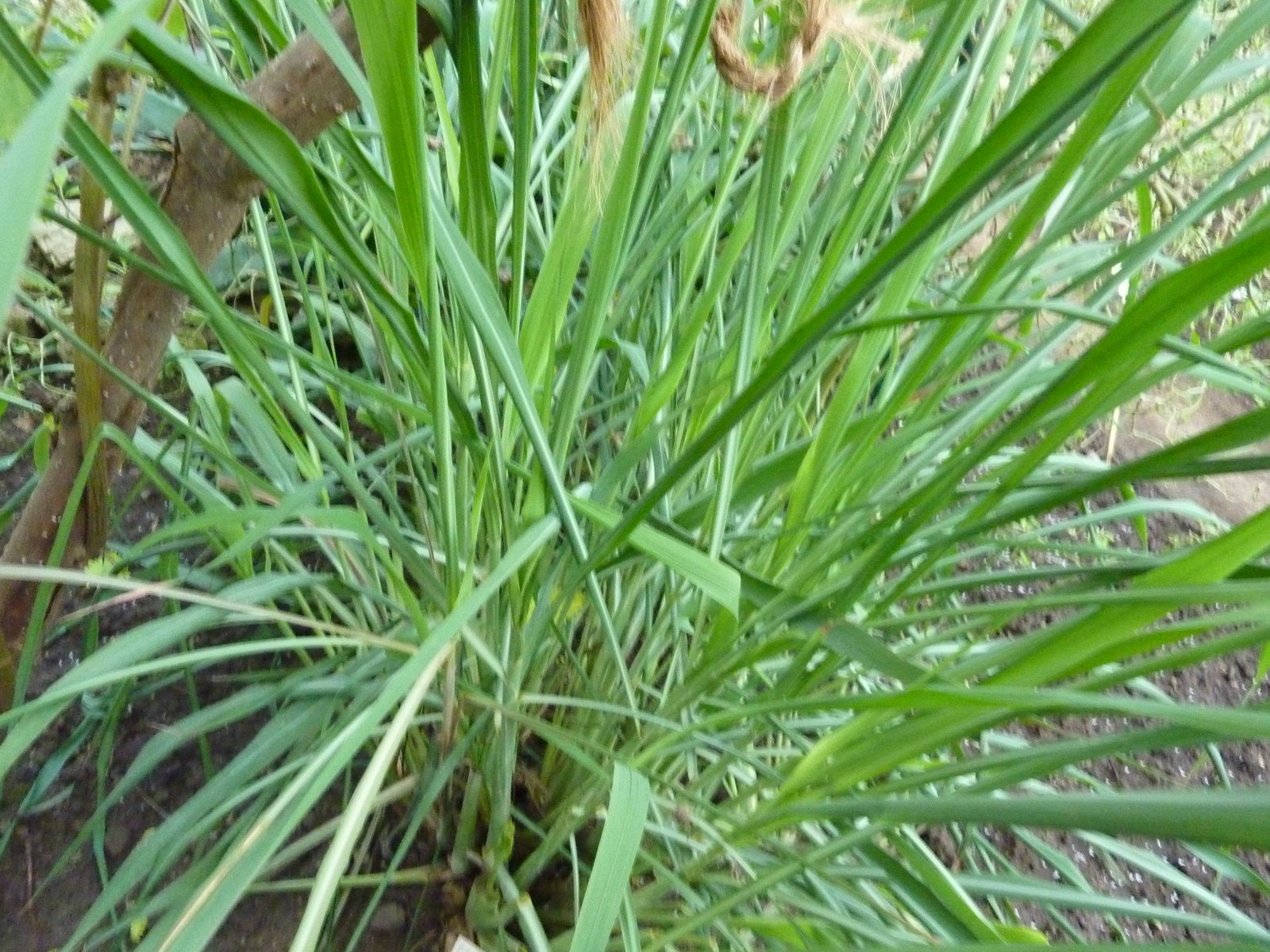
Complete citronella grass cultivation guide covering Cymbopogon nardus tropical grass growing, steam distillation for essential oil.
For a More In-Depth Read, Click HerePhytochemistry
| Compound | Notes |
|---|---|
| Citral (neral + geranial) | 65–85% of essential oil; responsible for lemon aroma and flavor; antimicrobial |
| Myrcene | 12–25%; contributes to earthy, peppery undertones; analgesic properties in animal studies |
| Geraniol | Minor component; insect repellent activity |
| Citronellol | Minor; contributes to mosquito-repellent properties |
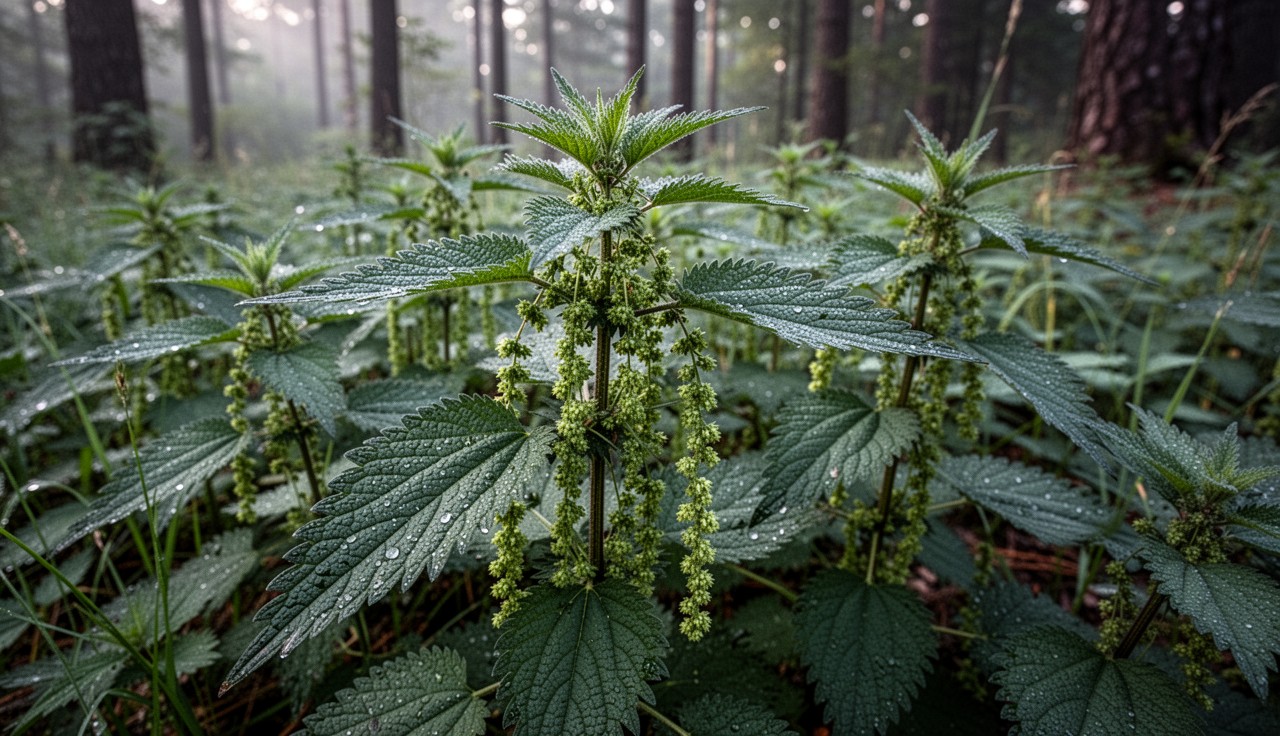
Complete stinging nettle cultivation guide covering Urtica dioica botany, nutrient-rich leaf harvest, iron and mineral content.
For a More In-Depth Read, Click HereFunctional Uses Beyond Cooking
- Mosquito repellent: Citral and geraniol compounds repel mosquitoes. While not as effective as DEET, lemongrass oil provides measurable repellent activity and is the basis for many natural repellent products.
- Digestive tea: Traditional use throughout Asia for bloating, gas, and stomach cramps. The mild antispasmodic activity of citral supports this traditional application.
- Essential oil: Steam distillation of leaves and stalks yields a commercially valuable essential oil used in aromatherapy, cleaning products, and natural cosmetics.
- Landscape design: The dramatic, fountain-like form and bright green color make lemongrass an excellent ornamental grass for mixed borders, container plantings, and tropical-themed gardens.
References
- Shah et al., Asian Pacific Journal of Tropical Biomedicine, lemongrass pharmacological review
- Avoseh et al., African Journal of Traditional Medicine, citral biology and applications
- EPA registered mosquito repellent compounds, citronella and lemongrass oil data
- Carlini et al., Journal of Ethnopharmacology, anxiolytic and analgesic properties
- USDA GRIN Database, Cymbopogon citratus taxonomy
Research on lemongrass
Peer reviewed studies about lemongrass, listed so you can read the original rather than take our word for it. They are background on the subject, not a source for any one sentence above.
- Controlling the Optical Properties of Lemongrass Extract Synthesized Gold Nanotriangles and Potential Application in Infrared-Absorbing Optical Coatings (2005). doi:10.1021/cm048292g
- Antifungal activity of lemongrass (Cympopogon citratus L.) essential oil against key postharvest pathogens (2007). doi:10.1016/j.ifset.2007.01.002
- Antifungal activity of the lemongrass oil and citral against Candida spp. (2008). doi:10.1590/s1413-86702008000100014
- Antibacterial activity of lemongrass (Cymbopogon citratus) oil against some selected pathogenic bacterias (2010). doi:10.1016/s1995-7645(10)60129-0
- Lemongrass Essential Oil Components with Antimicrobial and Anticancer Activities (2021). doi:10.3390/antiox11010020
- Market-based Certification and Management of Non-Timber Forest Products in Bhutan: Organic Lemongrass Oil, Poverty Reduction, and Environmental Sustainability (2008). read the study
- The study of lemongrass fiber reinforced HDPE composites (2017). read the study
- Potential of Lemongrass as River Siltation Control Associated with Water Runoff (2013). read the study
Common questions
What is botanical description?
Lemongrass ( Cymbopogon citratus ) is a vigorous, clumping tropical grass native to South and Southeast Asia, growing 3–6 feet tall in dense, fountain-like tussocks of narrow, arching, blue-green blades with razor-sharp margins. The swollen, pale green to white stalk bases are the culinary portion, while the entire plant is intensely aromatic, releasing a bright citrus scent when leaves are crushed or brushed against. Two species are commonly cultivated: C. citratus (West Indian lemongrass, the primary culinary and tea species) and C. flexuosus (East Indian lemongrass, preferred for essential oil production).
How do I grow lemongrass?
USDA Hardiness Zones: 9b–12 (perennial); 4–9a (annual or container). Light: Full sun (6+ hours required). Soil: Rich, well-drained; pH 5.0–8.4 (very adaptable). Moisture: Moderate to high; regular watering during active growth. Temperature: Thrives above 24 °C (75 °F); growth stops below 10 °C (50 °F).
What can I make from lemongrass?
Harvest outer stalks from the base when they reach pencil-thickness or larger. Twist and pull from the base, or cut at soil level. Peel away tough outer layers to reveal the tender, pale inner core. A mature clump can yield 20–30+ stalks per season without depleting the plant. Thai cuisine: Essential ingredient in tom yum soup, green and red curries, and stir-fries.
What is functional uses beyond cooking?
Mosquito repellent: Citral and geraniol compounds repel mosquitoes. While not as effective as DEET, lemongrass oil provides measurable repellent activity and is the basis for many natural repellent products. Digestive tea: Traditional use throughout Asia for bloating, gas, and stomach cramps. The mild antispasmodic activity of citral supports this traditional application. Essential oil: Steam distillation of leaves and stalks yields a commercially valuable essential oil used in aromatherapy, cleaning products, and natural cosmetics.
Browse by topic
More guides to explore
 GrowingGinger Cultivation Guide
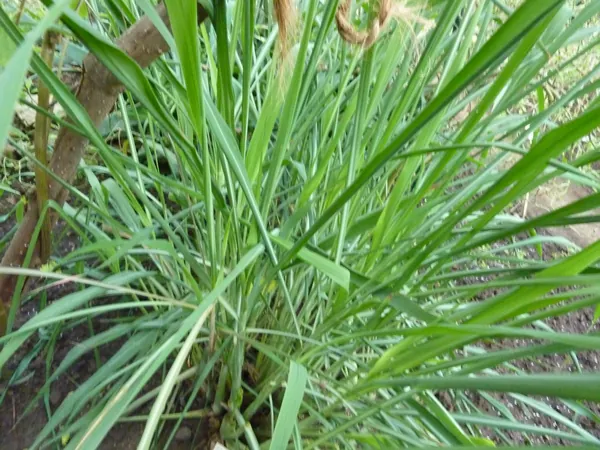 GrowingCitronella Grass Cultivation Guide
 GrowingNettle Cultivation Guide
 GrowingChamomile Cultivation Guide
 GrowingLemon Balm (Melissa officinalis): The Beginner’s Herb That Ancient Greeks Called the “Elixir of Life”
 GrowingSkullcap Cultivation Guide
 GrowingLavender Cultivation Guide
 GrowingValerian (Valeriana officinalis): A Full Guide to Cultivation, Sleep Science, and Herbal Tradition
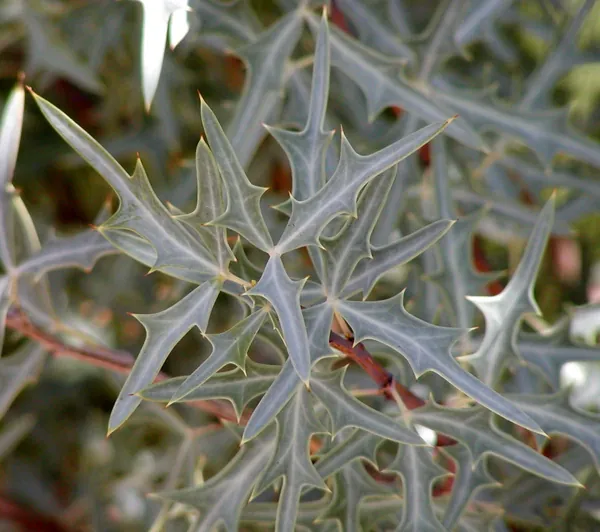 GrowingAgarita Cultivation Guide
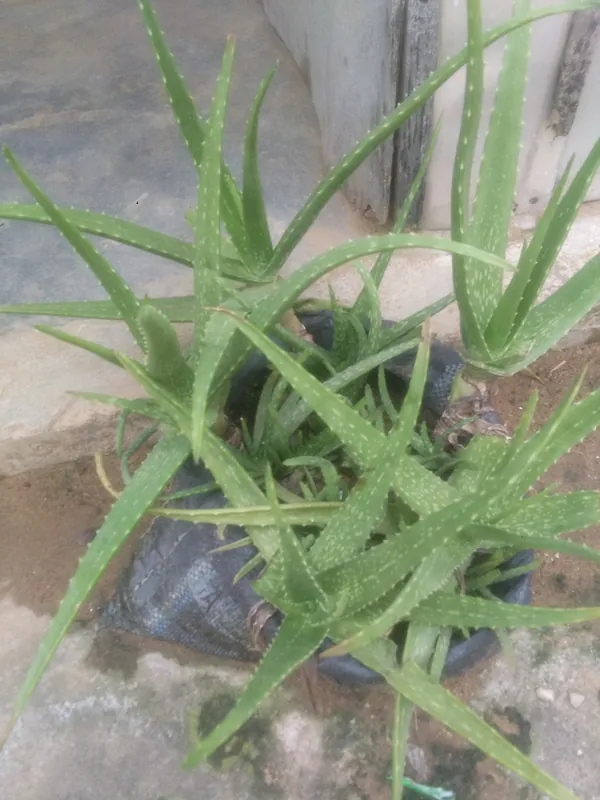 GrowingAloe Vera Cultivation Guide
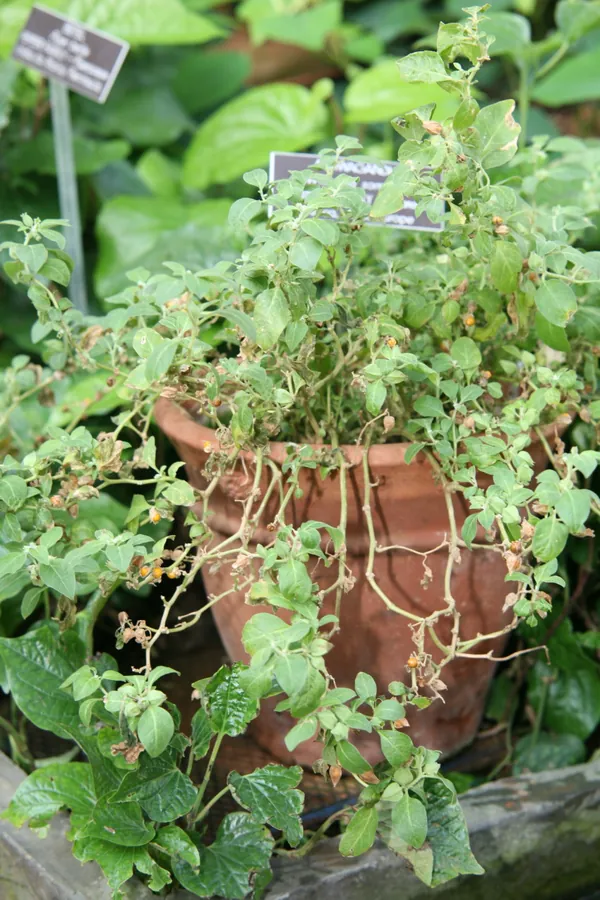 GrowingAshwagandha Cultivation Guide
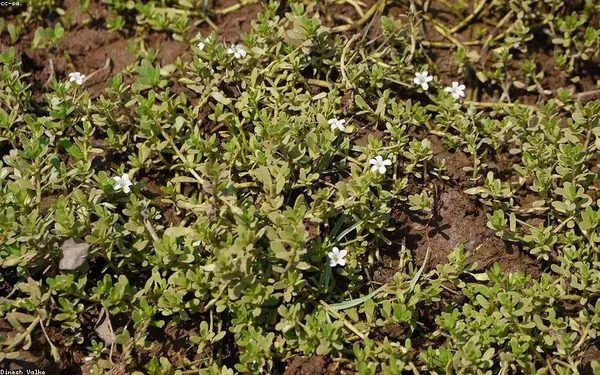 GrowingBacopa Monnieri Cultivation Guide